


Every financial institution says it wants next-generation leaders. Very few can actually recognize them before someone else does.
That gap is not theoretical. It is operational. And in many banks and credit unions, it is already showing up in stalled initiatives, uneven branch performance, and a quiet reliance on a shrinking circle of decision-makers.
A recent wave of workforce research, including reporting highlighted by Forbes, points to a clear shift. Emerging professionals are placing greater value on growth, impact, and flexibility than on traditional titles or linear career paths. That is not a cultural disruption to manage. It is a signal to interpret.
The financial institutions that read that signal correctly are building leadership benches with depth and range. So, when considering if its a pipeline problem or visibility problem, remember the ones that miss it are still calibrating potential through tenure and visibility.
The Leadership Gap Is Already Affecting Performance
This is where the conversation moves from talent theory to business reality. When leadership pipelines are misaligned, it shows up in very specific ways:
- Digital initiatives stall after pilot phases because ownership is unclear
- Branch teams execute inconsistently across markets
- Customer experience varies too widely from location to location
- High-capacity employees disengage long before they exit
None of these issues sit neatly inside HR. They land squarely in growth, expansion, and customer/member retention. In a modern branch environment, where formats are evolving and footprints are being rethought, leadership is no longer about managing a location. It is about translating strategy into experience in real time. That requires a different kind of bench.
The Bridge Generation Is Your Greatest Asset
Inside most financial institutions, the solution to the pipeline problem or visibility problem dilemma is already in place.
Gen X and younger Millennial leaders represent a unique advantage. They understand the legacy model of branch-led banking. They also adapted to digital transformation as it unfolded. That combination makes them natural translators between institutional knowledge and emerging expectations.
When positioned intentionally, this group becomes the engine that converts new ideas into executable strategies. They are also the proving ground for what leadership looks like going forward.
- They lead hybrid teams across physical and digital channels
- They manage customer expectations shaped by speed and convenience
- They absorb pressure from both executive strategy and frontline reality
This is not just a generational observation. It is a structural advantage that many institutions have not fully activated.

Every financial institution says it wants next-generation leaders. Very few can actually recognize them before someone else does.
That gap is not theoretical. It is operational. And in many banks and credit unions, it is already showing up in stalled initiatives, uneven branch performance, and a quiet reliance on a shrinking circle of decision-makers.
Gen Z Is Not a Disruption. It Is a Diagnostic Tool.
There is a tendency to frame Gen Z as a challenge to existing systems. That framing misses the opportunity. Gen Z professionals tend to ask direct questions about process, purpose, and efficiency. In many cases, those questions expose friction that has been normalized over time.
When a new analyst asks why a process exists, they are often identifying:
- Redundant steps that slow execution
- Outdated policies that no longer serve customers
- Gaps between stated strategy and actual practice
Handled well, this becomes a continuous feedback loop that strengthens the organization. Handled poorly, it becomes disengagement. The difference is not generational. It is leadership readiness.
Where Most Leadership Strategies Fall Short
Many institutions still rely on frameworks that were built for a different era. High-potential programs often emphasize tenure over demonstrated capability. Performance reviews are structured around periodic evaluation rather than continuous development. Mentorship exists in concept, though not always in practice.
At the branch level, this becomes even more visible. Branch managers are often expected to deliver results without being developed as future enterprise leaders. Yet these roles sit closest to the customer and carry the most immediate responsibility for experience, trust, and growth.
As financial institutions reposition branches into advisory centers, community touchpoints, and high-traffic engagement hubs, leadership expectations at that level rise quickly. The pipeline has not always kept pace.

The Branch Is Still the Best Leadership Lab You Have
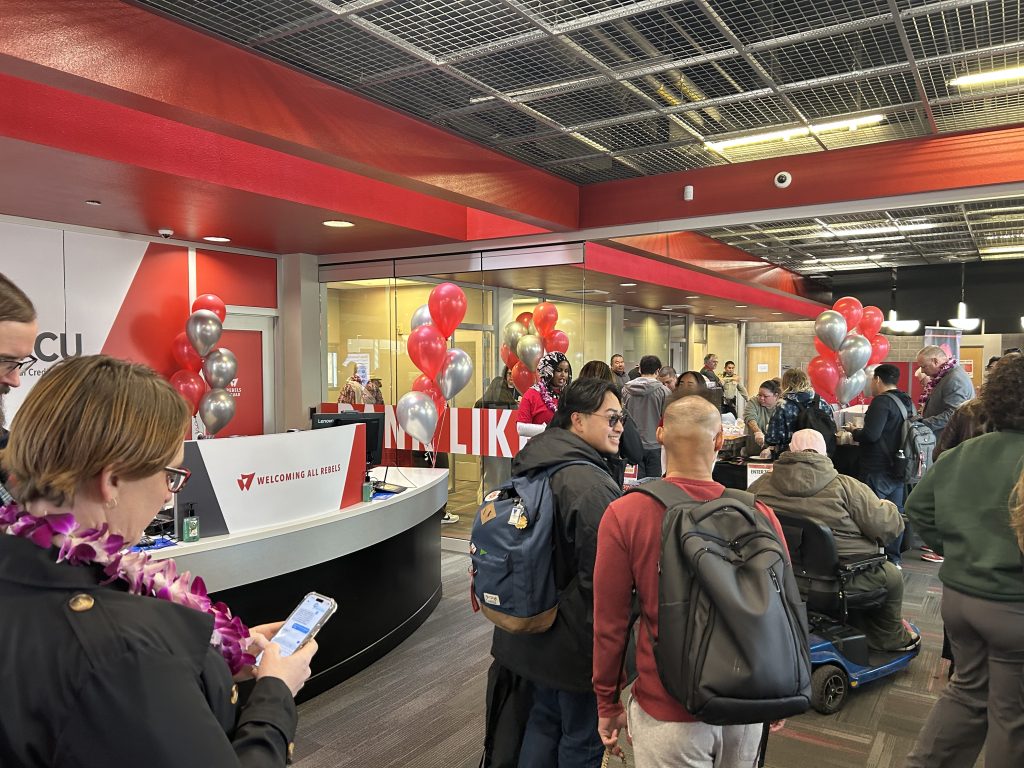
For all the focus on digital channels, the physical branch remains one of the most effective environments for developing leadership. It is where strategy meets reality.
- Customer interactions are immediate and unfiltered
- Team dynamics are visible and constantly evolving
- Operational decisions have direct and measurable outcomes
Modern branch formats only amplify this. Cash-light environments, smaller footprints, and high-traffic placements require leaders who can think on their feet, guide conversations, and create meaningful customer engagement without relying on traditional transaction models. That is not just a staffing challenge. It is a leadership development opportunity.
Institutions that treat the branch as a proving ground for future leaders are building stronger, more adaptable organizations.
What Forward-Looking Institutions Are Doing Differently to resolve the pipeline problem or visibility problem
There is a noticeable shift among institutions that are gaining traction. They are moving away from passive identification of talent and toward intentional development. A few patterns stand out:
They redefine potential. Capability, adaptability, and influence carry more weight than tenure alone.
They build real mentorship structures. Emerging leaders have access to experienced operators who actively guide their growth, not just evaluate their performance.
They create cross-generational alignment. Equipping Gen X and older Millennial leaders to translate feedback from younger team members into actionable improvements works.
They use the branch network strategically. Bank and credit union branches are treated as environments to test, refine, and scale leadership behaviors that support modern banking models.
They shorten feedback cycles. Development happens in real time, with consistent input rather than periodic review.
These are not sweeping transformations. They are focused adjustments that compound over time.

The Cost of Waiting Is Higher Than It Appears
The risk is not simply losing talent. It is losing momentum. When leadership pipelines lack clarity and depth, institutions move slower. Decisions take longer. Execution becomes inconsistent. Competitors with stronger internal alignment capture those opportunities.
As customer expectations evolve and institutions actively redefine branch strategies, that lag stands out more clearly. Leadership is no longer a back-office concern. It is a front-line growth driver.
A Strategic Question Worth Asking Now
Most next-generation leaders are already on your payroll. They are leading pilots, mentoring peers, and asking questions that challenge the status quo. They are operating in branches, in digital teams, and in roles that do not always carry formal recognition. The advantage does not come from finding them. It comes from seeing them clearly and connecting them intentionally.
For executive teams, the question is straightforward:
“What has changed in how your financial institution identifies and develops its next generation of leaders, and how is that showing up in your branches, your teams, and your customer/member experience?“
The answer to that question will shape more than your leadership bench. It will influence how effectively your entire organization competes in the years ahead.
Looking for a competitive edge in reaching the younger generations? Contact us today to learn more about our leadership development.
Leave a Reply